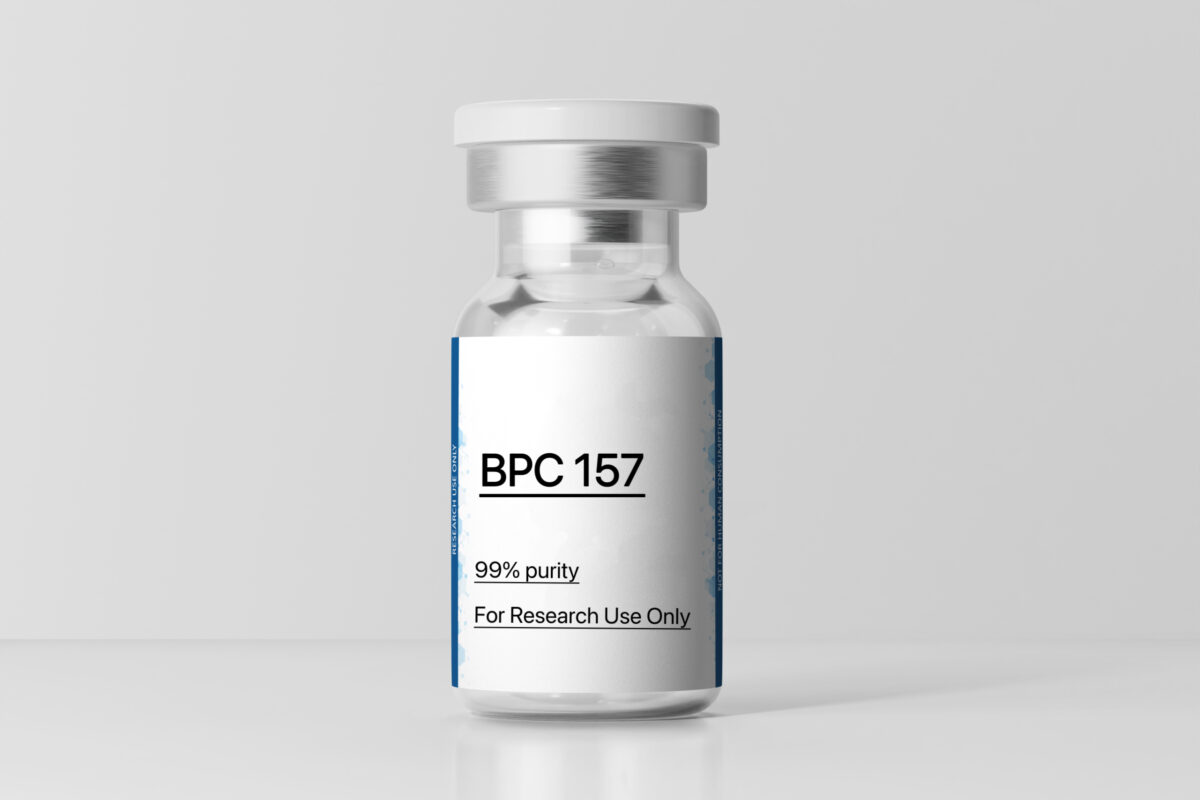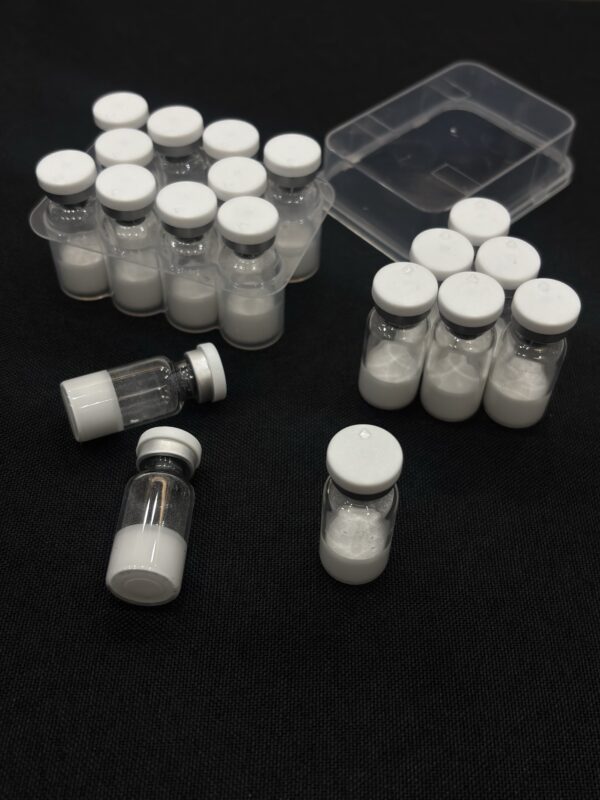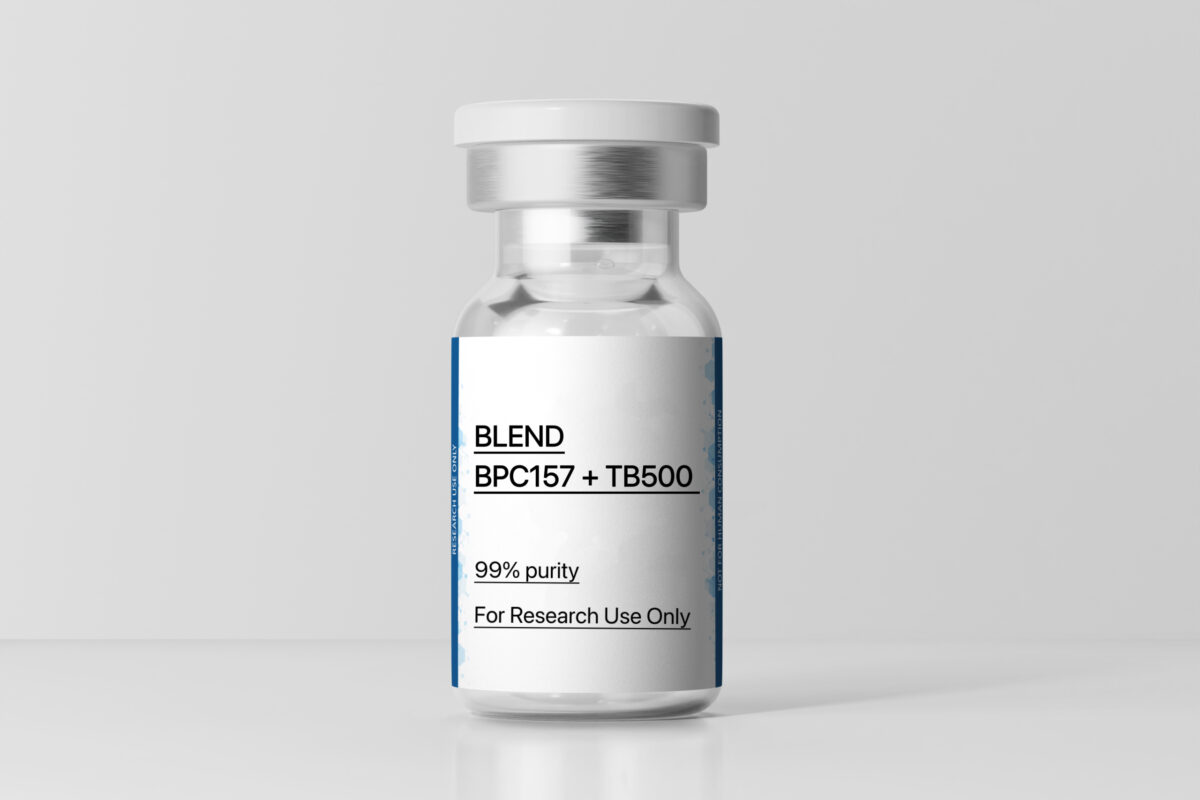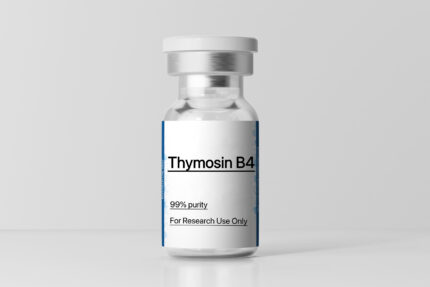
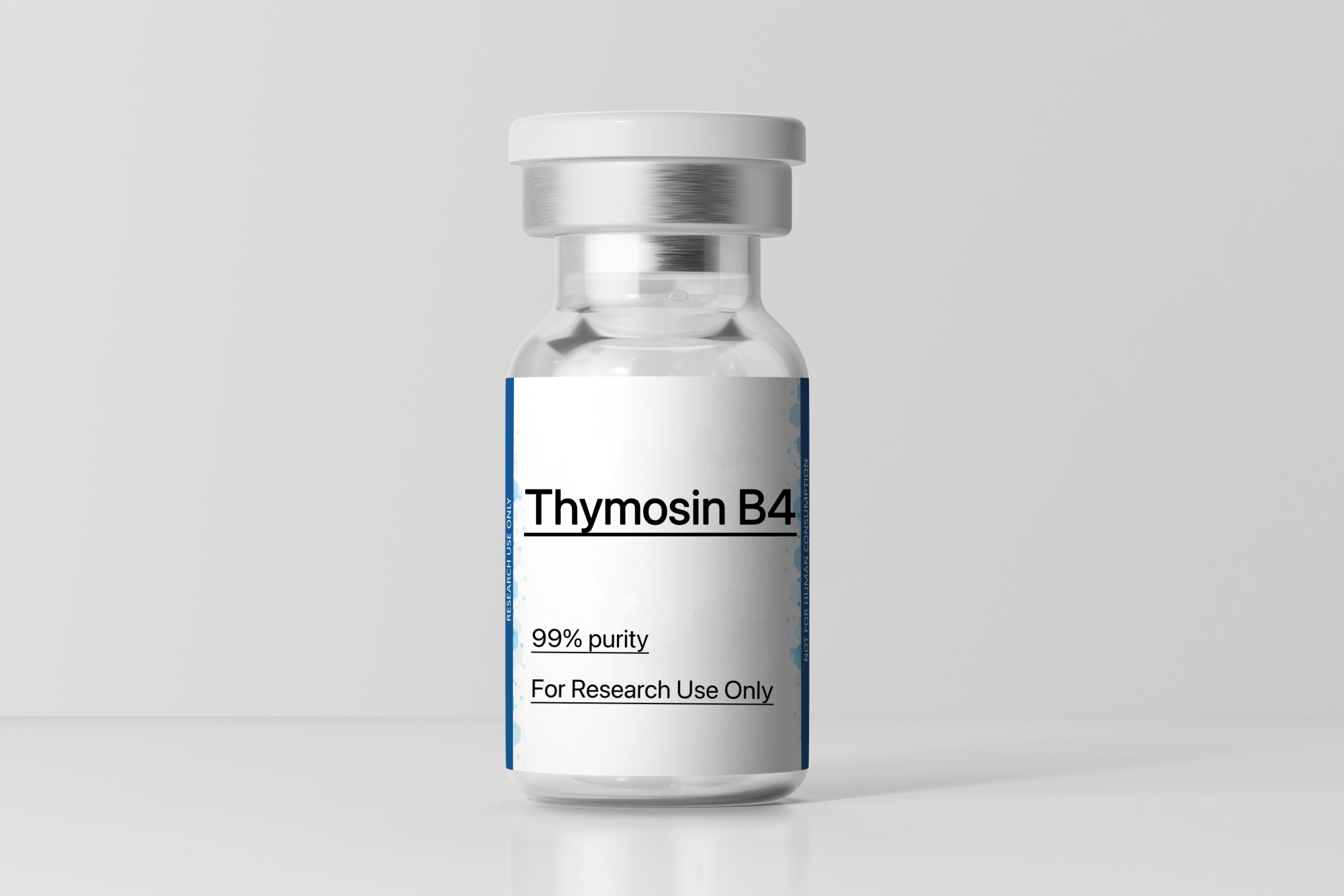
TB-500
-
Pick up from the Woodmart Store
To pick up today
Free
-
Fedex
Our courier will deliver to the specified address
2-3 Days
From $40
Thymosin Beta-4 fragment
$55.00 – $95.00Price range: $55.00 through $95.00
Description
Product Description
TB-500 (Thymosin Beta-4 Fragment) is a synthetic analog of the naturally occurring 43-amino acid peptide Thymosin Beta-4 (Tβ4), which plays a critical role in cell migration, proliferation, and differentiation. TB-500 represents the active region responsible for actin sequestration and tissue repair signaling.
Molecular Profile:
- Molecular Formula: C₂₁₂H₃₅₀N₅₆O₇₈S
- Molecular Weight: 4,963 g/mol
- Active Sequence: LKKTETQ (amino acids 17-23 of Tβ4)
- CAS Number: 77591-33-4
Research Applications:
- Actin regulation and cellular migration studies
- Wound healing and tissue regeneration mechanisms
- Cardiac repair and cardioprotective research
- Anti-inflammatory pathway investigation
- Hair follicle stem cell activation studies
- Dermal and musculoskeletal repair models
Quality Standards:
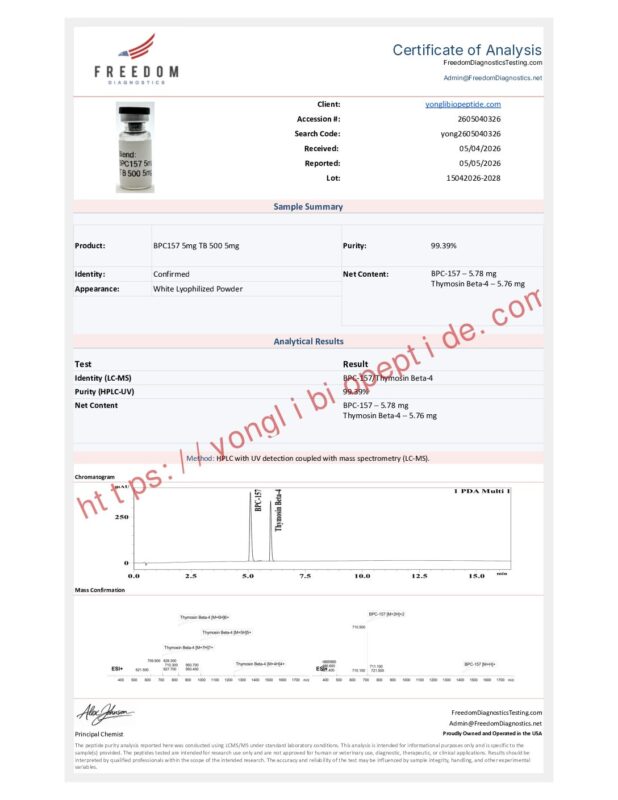
- Purity: ≥99% verified by HPLC
- Third-party tested with COA included
- Lyophilized powder form
Storage & Handling:
- Store at -20°C (lyophilized)
- Reconstitute with bacteriostatic water
- Reconstituted: stable 30 days at 2-8°C
FOR RESEARCH USE ONLY. Not for human consumption.
Technical Specifications
About TB-500
TB-500 is a synthetic version of Thymosin Beta-4, a naturally occurring 43-amino acid peptide found in high concentrations in blood platelets, wound fluid, and other tissues. Thymosin Beta-4 was originally isolated from thymus extracts in the 1960s and has since been identified as a major actin-sequestering protein with significant roles in cell migration, differentiation, and tissue repair. TB-500 represents a truncated, active region of the full Thymosin Beta-4 molecule, making it more practical for research applications while retaining the key biological activity associated with the parent molecule.
Mechanism of Action
TB-500’s biological effects stem from several well-characterized mechanisms that have been studied extensively in laboratory and preclinical settings:
Actin Sequestration: TB-500’s primary function involves binding to G-actin (monomeric actin), preventing its polymerization into F-actin filaments. This regulation of actin dynamics is crucial for cell motility and morphological changes during tissue repair.
Cell Migration Promotion: By modulating the actin cytoskeleton, TB-500 promotes cell migration—a critical process in wound healing, angiogenesis, and tissue regeneration. Research shows enhanced migration of endothelial cells, keratinocytes, and other cell types.
Angiogenesis Stimulation: Studies demonstrate TB-500’s ability to promote new blood vessel formation. This involves upregulation of VEGF and other angiogenic factors, along with direct effects on endothelial cell proliferation and migration.
Anti-Inflammatory Effects: Research indicates TB-500 may reduce inflammation through modulation of cytokine expression and inflammatory cell activity. Studies show decreased expression of pro-inflammatory markers in various experimental models.
Stem Cell Recruitment: Some research suggests TB-500 may influence the mobilization and differentiation of stem and progenitor cells, potentially contributing to its observed regenerative effects.
Research Highlights
Cardiac Research
TB-500/Thymosin Beta-4 has been extensively studied in cardiac research. Studies in animal models of myocardial infarction have shown reduced scar formation, improved cardiac function, and enhanced survival of cardiomyocytes. Clinical trials have explored its potential in cardiac regeneration following heart attack.
Corneal Healing Studies
Significant research has focused on TB-500’s effects on corneal healing. Studies demonstrate accelerated corneal wound closure, reduced inflammation, and improved outcomes in various corneal injury models. This research led to clinical development of Thymosin Beta-4-based eye drops.
Dermal Wound Healing
Research has examined TB-500’s effects on skin wounds, including burns, incisions, and chronic wounds. Studies report accelerated wound closure, enhanced epithelialization, improved collagen organization, and reduced scarring in various experimental models.
Musculoskeletal Research
Preclinical studies have investigated TB-500’s effects on muscle, tendon, and ligament injuries. Research shows potential benefits for muscle strain recovery, tendon healing, and joint health, with observations of reduced inflammation and accelerated tissue repair.
Product Specifications
| Molecular Formula | C₂₁₂H₃₅₀N₅₆O₇₈S |
| Molecular Weight | 4963.44 g/mol |
| Sequence | Ac-SDKPDMAEIIEKFDKSKLKKTETQEKNPLPSKETIEQEKQAGES (43 AA) |
| Purity | ≥99% (HPLC verified) |
| Form | Lyophilized powder |
| Appearance | White to off-white powder |
| Solubility | Soluble in water, bacteriostatic water |
| Storage | -20°C (lyophilized), 2-8°C (reconstituted) |
Research Usage Guidelines
Reconstitution Protocol
- 1Allow vial to reach room temperature before reconstitution
- 2Use bacteriostatic water for multi-use applications
- 3Add solvent gently down the inside wall of the vial
- 4Allow to dissolve naturally or gently swirl—never shake
- 5Typical reconstitution: 2mL per 5mg vial yields 2.5mg/mL concentration
Storage Guidelines
- •Lyophilized TB-500: Store at -20°C for optimal long-term stability
- •Reconstituted: Refrigerate at 2-8°C, stable for 2-3 weeks
- •Protect from light exposure
- •Avoid multiple freeze-thaw cycles—aliquot for long-term storage
Specification
Overview
| Size | 5mg, 10mg |
|---|

Reviews
There are no reviews yet.